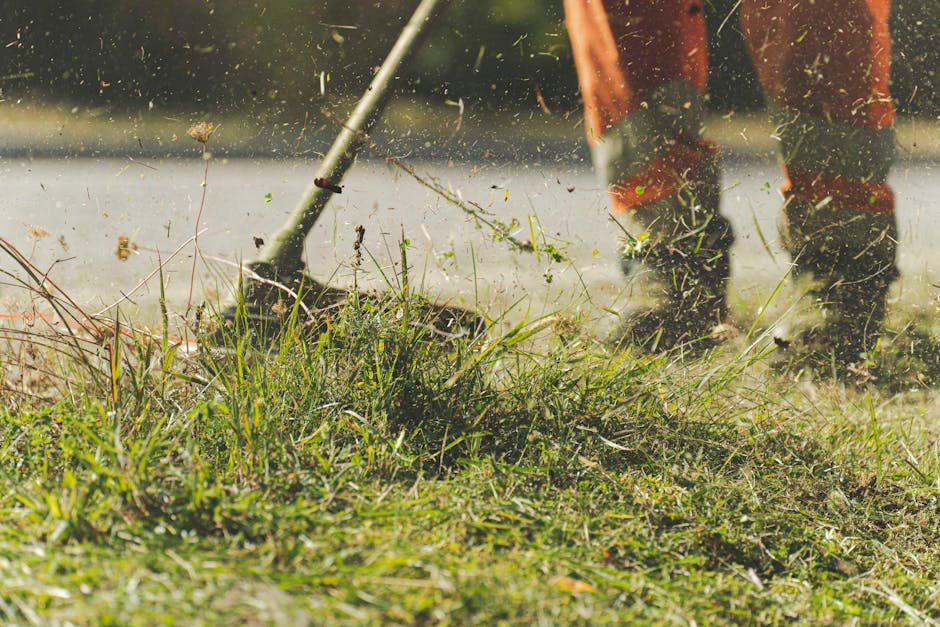
Staples Corner gardeners top tips for small front gardens
Small front gardens can be tricky. They're the bit of the house everyone sees first, yet they're often the narrowest, busiest, and most overlooked space outside the door. If you live near Staples Corner, you may be juggling limited room, pavement edges, shade from neighbouring buildings, and the simple reality that the front garden has to look good without becoming a weekly chore. That's exactly where the best Staples Corner gardeners top tips for small front gardens come in: make the space feel larger, keep it practical, and choose features that genuinely suit daily life.
In this guide, you'll find practical advice on layout, planting, maintenance, and the little design choices that make a big difference. We'll keep it grounded, local, and usable. No fluff. Just the kind of advice that helps a front garden look tidy on a damp Tuesday morning and still feel welcoming on a sunny weekend.
Table of Contents
- Why Staples Corner gardeners top tips for small front gardens Matters
- How Staples Corner gardeners top tips for small front gardens Works
- Key Benefits and Practical Advantages
- Who This Is For and When It Makes Sense
- Step-by-Step Guidance
- Expert Tips for Better Results
- Common Mistakes to Avoid
- Tools, Resources and Recommendations
- Law, Compliance, Standards, or Best Practice
- Options, Methods, or Comparison Table
- Case Study or Real-World Example
- Practical Checklist
- Conclusion
- Frequently Asked Questions
Why Staples Corner gardeners top tips for small front gardens Matters
A small front garden does a lot of work for very little space. It frames the property, sets the tone before anyone even knocks, and quietly affects how tidy, cared-for, and spacious the home feels. In a busy part of north-west London like Staples Corner, that first impression matters even more because front gardens often sit close to paths, parking, bins, railings, and foot traffic. One untidy corner can make the whole frontage feel smaller. One smart change, though, can make it feel calmer straight away.
The challenge is that small front gardens are easy to get wrong. People often plant too much, overcomplicate the design, or choose features that look lovely for two weeks and then become annoying to maintain. Truth be told, many front gardens don't need more stuff. They need better structure. A little discipline. Maybe a lot of pruning. Sometimes less really is more, and that's not just a polite design saying, it's practical reality.
Good front-garden design also has everyday value. It can improve drainage, reduce mud near the entrance, make cleaning easier, and create a neat route from gate to door. If you want support with a larger refresh or regular upkeep, it can help to look at garden maintenance as part of the plan, especially if you want the garden to stay sharp rather than drift back into clutter.
How Staples Corner gardeners top tips for small front gardens Works
The basic idea is simple: use design to stretch the space visually while keeping the maintenance load manageable. Small front gardens usually work best when every element earns its place. That means planting that stays in scale, edging that creates clean lines, and surfaces that are easy to walk on and easy to keep clear.
Most of the best results come from combining three things:
- Structure - paths, borders, pots, low walls, or edging that give the garden a clear shape.
- Restraint - fewer plant varieties, fewer fussy features, and fewer items competing for attention.
- Consistency - repeating a small number of materials or plants so the garden feels organised rather than cramped.
In practical terms, that might mean a narrow gravel border, two or three evergreen shrubs, a couple of seasonal plants for colour, and a tidy path that makes the entrance feel deliberate. Not fancy. Just sensible. And in small spaces, sensible is often what looks best.
If the front garden has an awkward hedge, an overgrown tree, or a patch that has got away from you, you may need a bigger reset first. Services such as garden clearance or hedge trimming can be the practical starting point before any new planting goes in.
Key Benefits and Practical Advantages
A well-planned small front garden gives you more than kerb appeal. The real benefits tend to show up in daily life.
- It looks bigger. Clean lines, repeated planting, and lighter materials create the feeling of more room.
- It's easier to maintain. Small front gardens can become a burden if they're crowded. A simplified layout keeps upkeep realistic.
- It improves the house frontage. Even one smart border can soften brickwork and make the entrance feel warmer.
- It helps keep things tidy. Defined paths and borders reduce mud, stray clippings, and the general "we'll deal with it later" look.
- It can support better privacy. The right planting can screen low sightlines without making the entrance feel boxed in.
There's also a subtle emotional benefit. A front garden you can manage without stress changes how you feel arriving home. You notice it when the borders are neat, the path is clear, and the space doesn't nag at you every time you leave the house. Small win, but a real one.
Who This Is For and When It Makes Sense
This advice is for homeowners, landlords, tenants with permission to improve the outside space, and anyone dealing with a compact frontage that feels more awkward than attractive. It is especially useful if your front garden is:
- long and narrow
- set beside a drive or pavement
- shady for much of the day
- exposed to road dust or litter
- currently full of tired shrubs, patchy grass, or mixed-up pots
It also makes sense if you are preparing a property for sale or rent. A neat front garden can help the whole house feel cared for before someone even steps inside. That doesn't mean expensive work, by the way. Often it's the straightforward changes that matter: cutting back, refreshing the mulch, tidying the edges, and making the entrance read clearly.
If you're looking for a more complete garden refresh rather than just a tidy-up, it may be worth considering broader landscape gardening or even some targeted landscaping to rebalance the space.
Step-by-Step Guidance
1. Start by clearing the clutter
First, take out anything that makes the space feel busy without adding value. Old pots, dead bedding plants, broken edging, and overgrown bits near the door all shrink a small garden visually. Clear space before you try to decorate it. That alone can transform the feel.
2. Decide what the garden is for
Ask a simple question: what must this front garden do? If the answer is "look neat, welcome guests, and not take all weekend," that already narrows your choices. A front garden that doubles as a bin area or bike parking spot needs extra planning, because function will shape the layout.
3. Keep the layout simple
Use one clear path, one main planting zone, and one or two focal points. In a very small space, too many separate beds can make everything look chopped up. A continuous border often feels calmer than several little islands.
4. Choose plants that suit the space
Go for compact, slow-growing, or easily managed plants. Evergreen structure is useful because it keeps the garden looking "finished" even in winter, while a few seasonal plants bring freshness when needed. The best results usually come from plants with similar needs, so you're not trying to satisfy one moisture-loving plant and one sun-baked one in the same strip of soil.
5. Use hard landscaping carefully
Gravel, paving, edging, and small retaining features can make a front garden feel orderly. But too much hard material can make it feel stark. The trick is balance. If the space is tiny, a small amount of hard landscaping can create breathing room without turning the whole thing into a forecourt.
6. Add height, but not too much
Vertical interest helps, especially in narrow front gardens. A clipped shrub, slim tree form, or wall-trained plant can draw the eye upward. Just keep sightlines clear and avoid anything that blocks light to the entrance or makes the space feel closed in. Nobody wants to feel like they're entering a tunnel.
7. Finish with maintenance in mind
Before you plant, think about how often you're realistically willing to weed, water, cut, and sweep. If the answer is "not very often," design for that. Simpler planting and sensible materials will save you more stress than a complicated display ever will. There's no prize for making life harder.
Expert Tips for Better Results
Here's where small front gardens really come to life. The fine details matter more than people expect.
- Repeat colours and shapes. Repetition creates calm. One or two leaf shapes and a limited colour palette can make a space feel designed, not accidental.
- Use the front edge properly. The boundary closest to the pavement or path is the first thing people see, so keep it crisp.
- Think in layers. A low front layer, mid-height shrubs, and maybe one taller accent plant often works better than lots of random plants at the same height.
- Choose evergreen bones first. Seasonal planting is lovely, but evergreens carry the look when flowers fade.
- Keep access obvious. If visitors have to guess where to walk, the design is not working.
- Let light in. Lighter gravel, pale paving, or plants with open structure can help a small frontage feel brighter on dull winter days.
A small practical note: if your hedge or front boundary is growing too wide, trim it before you decide the garden is too small. Often it is not the footprint that is the problem, it's the plant material invading the footprint. Easy to miss. Very common.
If you need regular help keeping those edges neat, lawn mowing and ongoing garden care can support a tidy finish without turning you into a part-time groundskeeper.
Common Mistakes to Avoid
Small front gardens are full of traps, mostly well-intentioned ones.
- Overplanting. Too many shrubs, especially fast growers, can make a space feel crowded within a season or two.
- Using oversized features. Large pots, heavy ornaments, and chunky furniture can swallow the garden.
- Ignoring maintenance needs. A plant that looks wonderful but needs constant attention can become a nuisance.
- Mixing too many materials. Brick, slate, gravel, cobbles, bark, and three kinds of paving can create visual noise.
- Blocking the front door view. A small garden should frame the entrance, not hide it.
- Leaving damaged or dead plants in place. It sounds minor, but a couple of tired plants can drag down the whole frontage.
Another common mistake is assuming every empty spot needs filling. It doesn't. Open ground, especially in a tiny front garden, gives the eye somewhere to rest. A little negative space can be a very good thing.
Tools, Resources and Recommendations
You do not need a van full of specialist kit to improve a small front garden. In many cases, the useful tools are the simple ones you already expect.
- secateurs for light pruning and deadheading
- a hand fork for soil work and weeding
- a hoe for shallow weed control in borders
- garden shears for shaping small shrubs
- a broom or leaf rake for the entrance path
- mulch or decorative gravel to finish exposed soil neatly
For bigger tidy-ups, a professional team may use clearance, trimming, and maintenance services to reset the space before you refine it. If the garden has become badly tangled, garden clearance is often the most efficient way to get back to a workable starting point. If the boundary feels like the main issue, hedge and shrub control can make a surprising difference, and if you're uncertain about safety around larger trees, it's better to get advice rather than guess.
There's a practical benefit to using a staged approach. Clear first. Then shape. Then plant. It sounds almost too simple, but that order saves time and money because you're not building on top of a problem.
Law, Compliance, Standards, or Best Practice
For most front-garden improvements, the main concerns are best practice, neighbourly awareness, and safe working habits rather than anything highly technical. Still, a few common-sense points matter in the UK context.
If you're altering a boundary, hard surface, or access point, think carefully before starting work. Front gardens often sit close to public pavements, drains, shared walls, or parking areas, so it makes sense to check ownership and avoid creating drainage or access issues. If you live in a managed property or rented home, permission may be needed before changing the layout in any lasting way.
Safety matters too. Trimming, lifting, and clearing can be straightforward, but bigger branches, awkward slopes, slippery paving, and hidden debris can become risky quickly. Good practice is to use the right tools, wear sensible gloves and footwear, and avoid forcing anything that feels too heavy or unstable. If a task involves height, larger trees, or material that needs proper disposal, it's usually smarter to bring in help.
For service-based work, it is also reasonable to expect clear communication on pricing, insurance, safety, and how waste is handled. If you want reassurance on service standards, you can review pages such as insurance and safety, payment and security, and recycling and sustainability before booking. That kind of transparency is a good sign, honestly.
Options, Methods, or Comparison Table
Different small front gardens need different approaches. Here's a simple comparison to help you decide what suits your space.
| Approach | Best for | Pros | Trade-offs |
|---|---|---|---|
| Low-maintenance planting | Busy households, rented homes, compact frontages | Easy to care for, tidy year-round, less watering | Can feel plain if not layered well |
| Mixed border with seasonal colour | Homeowners who enjoy gardening | More variety, more personality, better seasonal interest | Needs more regular care and pruning |
| Gravel and structured edging | Narrow or shaded spaces | Neat appearance, clear lines, easy to sweep | Can look harsh if overused |
| Small landscaped refresh | Front gardens needing a bigger reset | Improves function and appearance together | May need a higher initial investment |
If your front garden already has good bones but needs a smarter layout, a light-touch makeover is often enough. If it is overgrown, uneven, or awkwardly shaped, a more involved approach through landscape gardening or landscaping can give you a cleaner long-term result.
Case Study or Real-World Example
Imagine a narrow front garden in a terrace close to Staples Corner. It has a short path, two tired shrubs, patchy soil, and one large pot that has clearly been there since someone bought the house. The whole space feels cramped and a bit forgotten.
A sensible approach would be:
- clear away dead material and anything not serving a purpose
- trim the shrubs back to a manageable shape
- keep one main planted border instead of several tiny pockets
- use a single surface finish, like neat gravel or simple edging, rather than mixing too many materials
- add one evergreen focal plant and a few lower plants for seasonal interest
That kind of change usually feels bigger than the actual amount of work involved. The garden stops reading as clutter and starts reading as design. And yes, the entrance suddenly feels a bit more welcoming. You notice it when you come back with shopping bags in the rain, oddly enough. The little things really do matter.
In some cases, a front garden also needs a bit of structural help. If a tree has become too dominant or is casting too much shade, a professional look at tree lopping and removal may be the difference between a gloomy frontage and one that can actually support healthy planting.
Practical Checklist
Use this quick checklist before you change anything in a small front garden.
- Have you cleared dead plants, broken pots, and loose debris?
- Does the front door remain easy to see and access?
- Have you limited the number of plant types?
- Do the plants suit the amount of light the garden gets?
- Is there one clear path or route through the space?
- Have you avoided oversized ornaments and overcrowded borders?
- Will the garden still look acceptable with minimal maintenance?
- Have you checked whether any boundary, tree, or hard landscaping change needs permission?
- Is there a simple plan for watering, pruning, and sweeping?
- Would a tidy-up, hedge trim, or full clearance make the next step easier?
If you can tick most of those off, you are already ahead of the game.
Conclusion
The best Staples Corner gardeners top tips for small front gardens are not about making a tiny space do everything. They're about choosing calm, workable ideas that suit the house, the light, and your real-life routine. Keep the layout clean. Be selective with planting. Leave breathing room. And don't be afraid to start with a proper tidy-up before anything decorative goes in.
Done well, a small front garden can feel crisp, welcoming, and surprisingly generous. Not because it is packed with features, but because every part has a purpose. That's the real trick.
If you want help turning an awkward frontage into a space that feels neat, manageable, and properly finished, you can explore the wider range of services on the services overview page or learn more about the team via about us. For any questions about next steps, use the contact us page. A small front garden can make a bigger difference than people expect, and it is often much closer to being sorted than it looks.
Get a free quote today and see how much you can save.
Frequently Asked Questions
What is the best way to make a small front garden look bigger?
Use simple structure, repeated planting, and a limited palette of materials. Clean lines and a clear path help the eye move through the space, which makes the garden feel larger than it is.
Which plants work best in a small front garden?
Compact evergreens, slow-growing shrubs, and a few seasonal plants usually work well. The best choice depends on light, soil, and how much care you want to give them, so there isn't one perfect answer for every house.
How often should a small front garden be maintained?
Light attention every one to two weeks is usually enough for most compact gardens, especially if the planting is sensible. A little regular care prevents the front garden from becoming a bigger job later.
Is gravel a good idea for small front gardens?
It can be, especially where you want a tidy, easy-to-sweep finish. Gravel works best when balanced with planting and edging; otherwise it can feel harsh or overly hard.
Should I remove lawn from a very small front garden?
Often, yes. Tiny lawn areas can be awkward to mow and rarely look as good as a more purposeful planted or structured design. If the lawn is difficult to keep even, another surface may be more practical.
What is the easiest front-garden design to maintain?
A simple layout with evergreen structure, a neat path, and a small number of hardy plants is usually the easiest to manage. The key is keeping the design honest to your available time.
Do I need permission to change my front garden?
Sometimes. If you are changing boundaries, altering access, or working near shared features, it is sensible to check ownership and any permission requirements first, especially in rental or managed properties.
How can I improve a shady front garden?
Choose shade-tolerant plants, avoid relying on lawn, and use lighter materials to brighten the space visually. In deep shade, structure and tidiness matter even more than colour.
What should I do if my front hedge is too big for the space?
Reduce it carefully and keep the shape controlled. If it keeps swallowing the garden, a more decisive trim or a change in planting plan may be needed to restore balance.
Are professional gardeners worth it for a small front garden?
Yes, especially if the space needs clearing, reshaping, or a reliable maintenance routine. A good gardener can often solve the practical issues quickly and save you from repeated trial and error.
How much does a small front-garden makeover usually cost?
It depends on the amount of clearance, planting, hard landscaping, and ongoing maintenance involved. The best approach is to ask for a tailored quote rather than guessing, because even small spaces vary a lot.
What is the first thing to fix in an untidy front garden?
Start with clearance. Remove dead growth, broken items, and overgrown edges first. Once the space is visible again, you can make far better decisions about planting and layout.