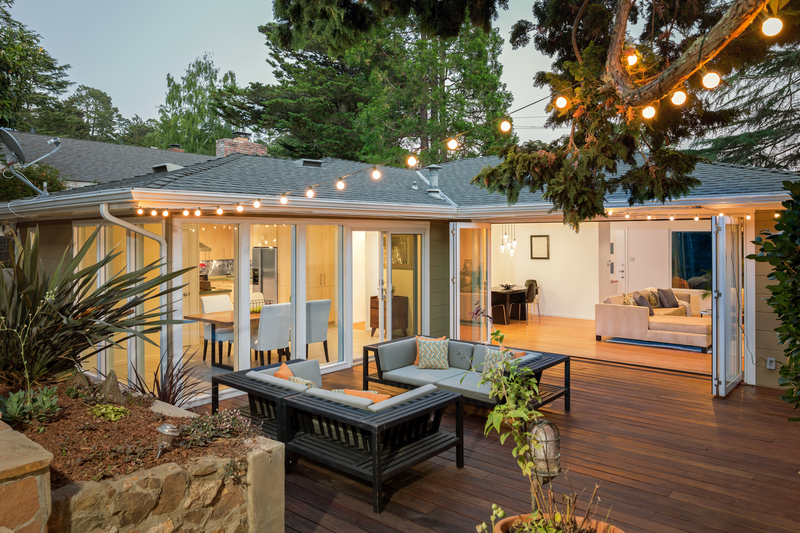
Nature's Shield: Choose Tall-Potted Plants to Create an Outdoor Oasis of Discretion

Nature's Shield: Choose Tall-Potted Plants to Create an Outdoor Oasis of Discretion isn't just a pretty phrase--it's a practical, soulful way to reclaim your balcony, patio, or garden from prying eyes. If you've ever sat outside with a cup of tea and thought, "I love this space, but I wish it felt a touch more private," you're not alone. Tall potted plants can transform your outdoors into a calm, green cocoon--one that muffles noise, softens harsh lines, and feels like your very own sanctuary.
In our experience designing and maintaining urban terraces and compact courtyards across the UK, tall planters with the right plant palette do something fences can't: they breathe, change with the seasons, add birdsong and scent, and gently shield your space without feeling closed-in. And to be fair, that's exactly what most of us want: privacy without the prison vibe.
Below, you'll find a deeply practical guide: what to plant, how to plan it, how to keep it alive through scorching July sun and January frost, and even the legal bits (because in Britain, hedge heights and high-hedge laws actually matter). Ready to build your own living screen--your Nature's shield--with tall-potted plants?
Table of Contents
- Why This Topic Matters
- Key Benefits
- Step-by-Step Guidance
- Expert Tips
- Common Mistakes to Avoid
- Case Study or Real-World Example
- Tools, Resources & Recommendations
- Law, Compliance or Industry Standards (UK-focused)
- Checklist
- Conclusion with CTA
- FAQ
Why This Topic Matters
Privacy is increasingly precious. Apartments overlook patios, townhouses share boundaries, and even the loveliest mews can feel exposed at times. Installing a solid fence isn't always feasible (or permitted). That's where Nature's Shield: Choose Tall-Potted Plants to Create an Outdoor Oasis of Discretion comes into play. Tall potted plants offer living privacy screens that are mobile, softer in appearance, and kinder to biodiversity.
Beyond discretion, tall planters can subtly change how you use your space. A cluster of bamboos softly rustling behind a dining table absorbs chatter and street noise; a row of evergreen bay laurel by a kitchen door becomes a fragrant green threshold. And when a breeze moves through, the whole space seems to breathe with you. Truth be told, you'll likely sit out there longer. You'll feel calmer.
A quick micro-moment: It was raining hard outside that day. We'd just placed six tall planters along a fourth-floor balcony in Hammersmith. The client stepped out with an umbrella, paused, and whispered, "It doesn't feel like London anymore." That's the magic we're aiming for.
Key Benefits
Choosing tall potted plants for privacy isn't just about covering views. It's about a layered set of benefits that work year-round.
- Living privacy that evolves: Plants grow, flower, and change form with the seasons--your screen becomes dynamic rather than static.
- Softens architecture: Hard materials--brick, glass, steel--can feel stark. Tall greenery softens edges and reduces visual clutter.
- Noise-dampening: Dense foliage scatters and absorbs sound, making terraces feel quieter and more intimate.
- Air quality and cooling: Plants transpire and filter particulates. In summer, they offer evaporation-based cooling--small, but noticeable.
- Flexible and non-permanent: Ideal for renters or listed properties. You can move planters or reconfigure screens without building works.
- Biodiversity boost: Flowering and fruiting specimens attract pollinators and birds. You become a small but important node in urban nature.
- Design coherence: A set of well-chosen tall planters can unify a space and create pathways or 'rooms' outdoors.
- Compliance-friendly: Where fences might need permission, planters typically don't (see legal section below for UK specifics).
Let's face it--privacy that smells of rosemary and hums with bees? That's a win.
Step-by-Step Guidance
This is your practical roadmap to build a tall, beautiful, low-fuss privacy screen--aka Nature's Shield. Follow the sequence. Tweak to your site and style. You've got this.
1) Assess Your Site: Light, Wind, Weight
- Light mapping: Note hours of direct sun. Morning sun (east) is gentle; afternoon sun (west) can be fierce; full shade needs tolerant species. Jot it down for a week.
- Wind exposure: Balconies and roof terraces funnel gusts. Plants with flexible stems (e.g., clumping bamboo) fare better than brittle ones. Consider windbreak mesh initially.
- Weight limits: Especially important for balconies. Check your building's load capacity. As a rough guide, large planters filled with moist compost can weigh 30-80 kg each.
- Drainage path: Where does water go? Ensure run-off won't cascade onto a neighbour's balcony (happens more than you'd think).
2) Choose the Right Tall Plants
Variety is your friend. Mix evergreen structure with seasonal interest. Here are reliable UK-friendly options for your Nature's shield privacy planters:
- Clumping bamboo (Fargesia robusta, Fargesia rufa): Non-invasive, elegant, quick to form screens. Avoid running Phyllostachys in containers unless you're very experienced.
- Laurel (Laurus nobilis): Evergreen, culinary use, tolerates clipping. Great scent when brushed past.
- Camellia japonica or sasanqua: Glossy leaves, winter-spring blooms, thrives in partial shade with ericaceous compost.
- Photinia 'Red Robin': Vibrant red new growth, easy to shape, good height in planters.
- Griselinia littoralis: Salt-tolerant, bright green evergreen--ace for coastal or windy sites.
- Italian cypress (Cupressus sempervirens 'Stricta'): Slim vertical accents, Mediterranean feel. Needs full sun and good drainage.
- Olive trees (Olea europaea): Silvery leaves, drought-tolerant once established. Loves sun; choose hardy varieties and protect in severe cold.
- Bamboo-like grasses (Miscanthus sinensis cultivars): Winter structure, autumn plumes. Not evergreen but stunning movement and sound.
- Holly (Ilex aquifolium 'Nellie R. Stevens' or Ilex crenata): Evergreen, wildlife-friendly berries (female plants) and tidy form.
- Tall herbs and shrubs: Rosemary 'Tuscan Blue', lavender 'Hidcote' (shorter but add layers), and even hardy Fuchsia for colour pockets.
Ever tried clearing a room and found yourself keeping everything? Same with plant selection. Be decisive. Pick a strong backbone and one or two accents.
3) Select the Right Containers
Containers are the unsung heroes of Nature's Shield: Choose Tall-Potted Plants to Create an Outdoor Oasis of Discretion. They dictate stability, root health, and yes--style.
- Size: Aim for at least 40-60 cm diameter and depth for tall species. Bigger volume = better moisture stability and winter protection.
- Material:
- Fibreglass/GRP: lightweight, durable, modern look.
- Frost-proof terracotta: breathable but heavier; insulates roots.
- Powder-coated steel or corten: architectural, robust, can be heavy.
- Wood planters: warm aesthetic; line with root barrier membrane.
- Drainage: Essential. Ensure holes at base, use feet/risers to prevent waterlogging.
- Stability: Tall plants act like sails. Choose wide, weighted bases or add gravel layer at bottom (without blocking drainage).
4) Build the Perfect Soil Mix
Container soil must balance drainage, moisture retention, and nutrition.
- Use peat-free compost: It's better for the environment and aligns with UK retail policy shifts.
- Blend in: 20-30% horticultural grit or perlite for drainage; a little well-rotted compost for slow nutrition.
- For acid lovers (camellias, rhododendrons): Use ericaceous compost exclusively.
- Slow-release fertiliser granules: Integrate at planting for 6-9 months of gentle feeding.
5) Planting Technique (Without the Fuss)
- Pre-soak the rootball if dry; gently tease roots to prevent circling.
- Set plant a touch higher than soil line to allow for settling and top-dressing.
- Water thoroughly to settle, then top with 3-5 cm organic mulch or slate to reduce evaporation.
- Stake if needed. For wind-prone areas, use discreet, flexible ties.
6) Arrange for Privacy and Flow
Design is about sightlines. Where do you feel watched? Where do you look out? Think like a theatre set designer.
- Stagger heights: Place the tallest on the line of sight to neighbours' windows. Layer medium shrubs and grasses in front for depth.
- Keep movement in mind: Leave 60-90 cm walkway clear. Your future self (carrying a tray of drinks) will thank you.
- Cluster in threes or fives: Odd numbers feel natural. Repeat containers for cohesion.
- Consider sound: Bamboos and tall grasses near seating add whispery white noise.
One client in Brighton said the first evening after arranging their planters, "The street felt further away. Not gone--just hushed." That's the right note.
7) Watering, Feeding, and Care
- Watering rhythm: In summer, check daily; in winter, water sparingly but don't let evergreens dry out. Use a moisture meter if you're unsure.
- Irrigation: Drip lines with a timer or self-watering stakes save time (and arguments). Great for holidays.
- Feeding: Top up slow-release fertiliser in spring; supplement with liquid seaweed in peak growth.
- Grooming: Trim lightly for shape after main flush; remove dead stems; refresh mulch annually.
- Winter care: Group pots together, raise off ground, and wrap with hessian/bubble insulation in severe cold. Protect terracotta feet from cracking.
8) Seasonal Adjustments
- Spring: Repot if roots are congested; apply slow-release feed; prune to shape.
- Summer: Water deeply; deadhead; watch for pests like aphids and scale--treat early with soapy water or horticultural oil.
- Autumn: Add new mulch; reduce watering; check drainage before heavy rains.
- Winter: Windproof ties; fleece sensitive species during cold snaps; remove saucers to prevent waterlogging.
Clean, clear, calm. That's the goal.
Expert Tips
These are the things people usually learn the hard way. You won't need to.
- Choose clumping bamboo over running types: Fargesia varieties are gentler, maintainable, and better behaved in containers.
- Think in layers of privacy: Evergreen backbone + medium shrubs + airy grasses or seasonal colour creates depth and visual softness.
- Use top-dressing cleverly: Slate or pebble mulch reduces splash and keeps compost from crusting. Looks smart too.
- Match the pot to the plant's character: Sleek fibreglass for cypress or olive; rustic timber for bay and rosemary; corten for grasses--when the vibe fits, the space sings.
- Borrow views, block glare: Sometimes you don't need a solid wall of plants; a few tall 'pencils' positioned right can cut a direct sightline while keeping open sky.
- Plan for growth: Buy the size you can manage now, but leave room above for another 30-60 cm of height. Over-crowding looks anxious.
- Water deep, not often: Encourage roots to search downwards. Shallow sips create needy plants.
- Use scent near seating: Bay, rosemary, jasmine (in summer), and lavender add a small ritual joy every time you brush past.
- Anchor corners: Taller planters at corners give a framed, enclosed feel--like bookends for your outdoor 'room'.
- Light it right: Soft, warm LED uplights under bamboo or olive can create evening intimacy without glare.
Yeah, we've all been there--overbuying plants and ending up with a jungle path you can't walk. Edit kindly.
Common Mistakes to Avoid
- Under-sizing containers: Small pots dry out fast and topple. Go bigger than you think, especially on windy balconies.
- Poor drainage: Waterlogged compost = root rot. Always elevate pots slightly and ensure clear drainage holes.
- Monoculture traps: A single species looks tidy but risks pest/disease wipe-out. Mix 2-3 main species.
- Ignoring wind tunnels: Tall plants snap in gusts. Use flexible ties and wind-permeable screens if needed.
- Over-fertilising: It can push sappy, weak growth. Slow-release is safer than weekly high-nitrogen liquids.
- Choosing aggressive runners (bamboo): In containers, running bamboos can still cause headaches. Stick to clumpers unless you're using a serious barrier and vigilant care.
- Blocking egress: Keep access clear to doors and gates. Future you--carrying laundry in the rain--will be grateful.
Ever tried to move an overwatered planter across composite decking? You could almost smell the cardboard dust in the air after one of our early mishaps--lesson learned: use saucers sparingly and keep drainage free.
Case Study or Real-World Example
Project: Sixth-floor London balcony, 5.2 m x 1.6 m, overlooked on three sides. Budget: mid-range. Goal: privacy for evening meals, minimal maintenance, year-round structure.
Plan: We designed a layered Nature's shield using eight fibreglass planters (80 x 30 x 80 cm). The backbone was Fargesia rufa bamboo in four planters, staggered to break direct sightlines. Between them, two bays (Laurus nobilis) for evergreen heft and culinary use. To soften, we added two planters with Miscanthus sinensis 'Morning Light' and underplanted with trailing thyme and seasonal violas.
Soil & care: Peat-free compost blended with 25% grit, slow-release feed, and a 4-zone drip line attached to a balcony tap timer. Slate top-dress to keep things neat.
Outcome: Within two weeks, the space felt enclosed but airy. The client told us, "Neighbours gone. Sky still here." In August, the grasses chimed in the breeze and the bamboo offered a soft whoosh--white noise for evening chats. Maintenance? 10 minutes a week in summer. Maybe 5 in winter. That's it.
Tools, Resources & Recommendations
Having the right kit turns good intentions into a genuinely low-fuss, long-lasting outdoor oasis of discretion.
- Moisture meter: Simple, cheap, prevents guesswork watering.
- Drip irrigation kit with timer: Lifesaver during heatwaves and holidays.
- Planter feet/risers: Improves drainage and prevents deck staining.
- Trolley/dolly: For moving heavy planters without straining your back.
- Horticultural grit/perlite: Essential for breathable, well-draining mixes.
- Fleece/hessian wrap: Quick winter protection for sensitive roots.
- Root barrier membrane (for wood planters): Extends lifespan, keeps moisture off timber.
- Reference guides: The RHS Plant Finder and RHS Pruning Guides; Met Office local climate data for frost risk.
- Compost & mulch: Go peat-free; use bark fines or slate for top-dressing.
Resources we trust in practice: Royal Horticultural Society advice, local independent nurseries with knowledgeable staff, and--when it's crunch time--a quick check of Met Office forecasts before planting day.
Law, Compliance or Industry Standards (UK-focused if applicable)
Because privacy screens can blur into 'hedges', it's wise to understand the UK context before you build a towering living wall.
- Planning permission for fences/walls: Generally, you can erect a fence up to 2 m in your back garden without permission (or 1 m next to a highway). But planters aren't fences--still, if your screen behaves like a permanent barrier, neighbours may complain. Stay considerate.
- High hedges legislation: Under Part 8 of the Anti-social Behaviour Act 2003, councils can act on complaints about evergreen hedges over 2 m that adversely affect neighbours' enjoyment of their property. While potted plants aren't strictly hedges, a dense year-round screen may attract attention. Keep lines of communication open.
- Invasive species: Avoid planting invasive species such as Japanese knotweed (Wildlife and Countryside Act 1981, Schedule 9). For bamboo, choose clumping types; running bamboo can be considered a nuisance if it spreads.
- Peat-free policy: The UK is moving to restrict peat in retail composts for environmental reasons. Use peat-free mixes--both ethical and practical.
- Water use & hosepipe bans: Respect local temporary use bans during droughts (water boards announce these). Install water butts where possible and mulch heavily to reduce watering needs.
- Plant health/biosecurity: Look for UK Plant Passports and buy from reputable nurseries to reduce the risk of pests like Xylella fastidiosa entering the country via infected stock.
- Balcony safety and load: Check your building's structural limits. If in doubt, seek advice from a structural engineer--planter weight adds up quickly.
In short, stay neighbourly, choose non-invasive plants, and keep an eye on local rules. A quick friendly chat can prevent a formal letter later.
Checklist
Before you start--and before you pour a celebratory G&T--run through this quick list.
- Measure your space and identify key sightlines to block.
- Note hours of sun and prevailing wind direction.
- Confirm balcony or deck load capacity.
- Choose 2-3 evergreen species and 1-2 seasonal accents.
- Buy frost-proof, large-capacity containers with good drainage.
- Use peat-free compost with 20-30% grit/perlite.
- Install drip irrigation or set a watering routine.
- Top-dress with slate/pebble; add slow-release fertiliser.
- Position plants to block sightlines but keep pathways clear.
- Plan winter protection and annual maintenance dates.
Tick these off and you're already well on your way.
Conclusion with CTA
Privacy is a feeling as much as a function. With tall potted plants, you create a living veil--soft, scented, quietly efficient. This is Nature's Shield: Choose Tall-Potted Plants to Create an Outdoor Oasis of Discretion in action: a design that respects neighbours, regulations, and your own need for somewhere to exhale.
If you want a space that hushes the day and welcomes your evenings, start with three tall planters and a clear intention. You'll be amazed how quickly the mood shifts. And if you'd like help--design, installation, or just a sanity-check--we're here.
Get a free quote today and see how much you can save.
However you proceed, may your outdoor nook feel safe, green, and yours. Completely yours.
FAQ
What are the best tall potted plants for privacy in the UK?
Clumping bamboos (Fargesia), bay laurel, Griselinia, Photinia 'Red Robin', camellias, and Italian cypress are reliable choices. Mix evergreen structure with seasonal grasses for movement.
Can tall potted plants really replace a fence?
Not exactly, but they can deliver similar privacy while being softer and more flexible. For renters or listed buildings, planters are often the more practical solution.
How big should the containers be for tall plants?
At minimum, 40-60 cm in both diameter and depth. Larger volumes keep moisture more stable, improve root health, and reduce toppling risk.
Is bamboo a bad idea for privacy?
Clumping bamboo (Fargesia) is usually great in containers. Avoid running types unless you're experienced and use proper barriers. In small spaces, clumpers are safer and tidier.
How often do I need to water tall planters?
In summer, check daily; water when the top few centimetres are dry. In winter, water sparingly but don't let evergreens dry out. A moisture meter helps prevent guesswork.
Do I need planning permission for tall planters?
Usually not. However, very tall, dense screens that behave like a hedge may raise neighbour concerns. Stay considerate and review local guidance regarding high hedges and boundary rules.
What compost should I use?
Use a peat-free, high-quality compost. Blend in 20-30% grit or perlite to improve drainage. For camellias and other acid-lovers, use ericaceous compost.
Will tall planters blow over on a windy balcony?
They can if under-sized or too light. Choose wide-based containers, add weight low down (gravel layer without blocking drainage), and use flexible ties where needed.
How do I keep plants healthy year-round?
Use slow-release fertiliser in spring, water deeply but not constantly, prune lightly after main flush, and protect pots in winter with risers and insulation during severe cold.
Which plants offer privacy and scent?
Bay laurel, rosemary, star jasmine (Trachelospermum jasminoides in warmer spots), lavender for lower layers, and even roses in tall planters with supports can combine fragrance with screening.
What about small spaces--can I still get privacy?
Yes. Use tall, slim planters (e.g., 80 x 30 cm), vertical accents like Italian cypress, and a couple of well-placed clumping bamboos. Edit hard; quality beats quantity.
Are tall potted plants child- and pet-friendly?
Mostly, yes. Avoid spiky or toxic plants where curious hands and paws roam. Choose non-toxic evergreens like Griselinia and supervise around heavy planters.
How do I design for sound reduction as well as privacy?
Use dense foliage like bamboo or laurel near the noise source and layer with tall grasses that create soothing rustle. Multiple staggered planters scatter sound effectively.
Do tall potted plants attract pests?
Occasionally--aphids, scale, or red spider mite in heat. Inspect weekly; treat early with soapy water or horticultural oil. Healthy, well-watered plants are more resilient.
What's a quick starter set if I'm overwhelmed?
Three large planters: one with clumping bamboo, one with bay, one with Photinia 'Red Robin'. Add drip irrigation, slate top-dress, and you're 80% there. Simple and effective.
Grow Your Privacy--Select Tall-Potted Plants That Offer Both Elegance and Enclosure may sound grand, but it's really about a few good choices done well. Step outside, breathe, and start where you are.