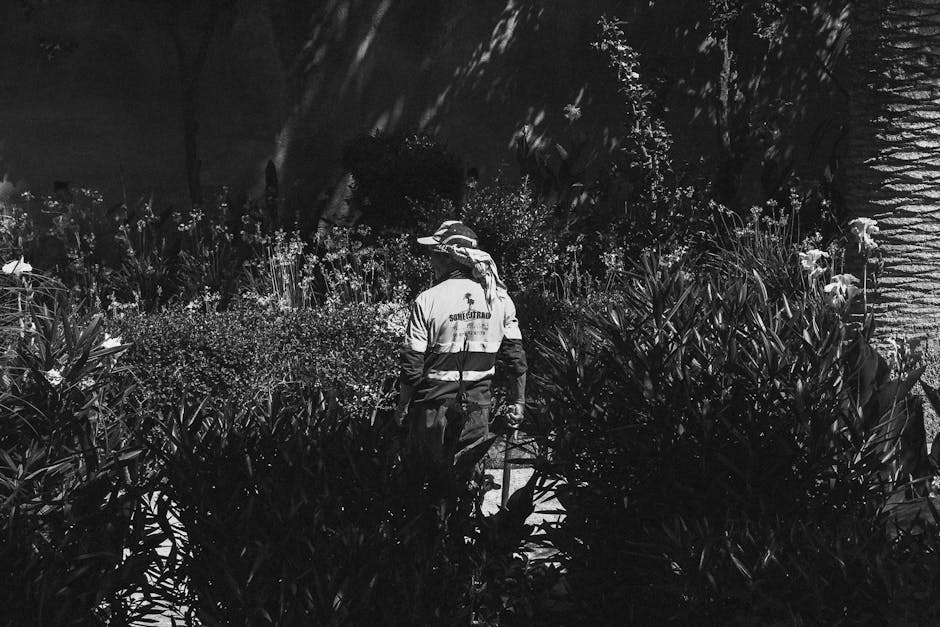
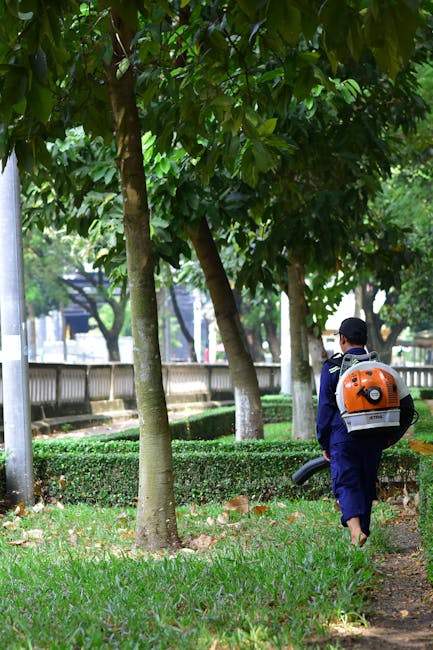
Cricklewood Broadway Garden Maintenance Services by Gardeners: A Practical Local Guide
If your garden on or near Cricklewood Broadway is starting to look a bit tired, overgrown, or simply impossible to keep on top of, you are not alone. London gardens have a habit of moving from neat to neglected very quickly, especially when work, weather, and a busy week all collide. Cricklewood Broadway garden maintenance services by gardeners can be the difference between a space you avoid and one you actually enjoy using again.
This guide explains what professional garden maintenance involves, how it typically works, who benefits most, and what to look for before booking help. We will also cover practical standards, common mistakes, and a realistic step-by-step approach so you can make a sensible decision with confidence.
Table of Contents
- Why Cricklewood Broadway garden maintenance services by gardeners Matters
- How Cricklewood Broadway garden maintenance services by gardeners Works
- Key Benefits and Practical Advantages
- Who This Is For and When It Makes Sense
- Step-by-Step Guidance
- Expert Tips for Better Results
- Common Mistakes to Avoid
- Tools, Resources and Recommendations
- Law, Compliance, Standards, or Best Practice
- Options, Methods, or Comparison Table
- Case Study or Real-World Example
- Practical Checklist
- Conclusion
- Frequently Asked Questions
Why Cricklewood Broadway Garden Maintenance Services by Gardeners Matters
Garden maintenance is not just about keeping things tidy. It is about protecting the health, structure, and usability of your outdoor space over time. A garden that is left for too long can become harder and more expensive to bring back under control. That is true whether you have a small front patch, a shared rear garden, or a larger private space that needs regular attention.
On a busy stretch like Cricklewood Broadway, where properties can see plenty of foot traffic, dust, shade, and seasonal change, regular upkeep matters even more. Plants respond to neglect quickly. Lawns thin out. Hedges creep. Beds lose definition. And before long the whole place can look like it has given up on itself. Slightly dramatic, maybe, but not far off.
Professional gardeners bring consistency. They do the jobs that are easy to put off and difficult to catch up on later: mowing, edging, pruning, weeding, clearance, and general tidying. They also notice the little things a homeowner may miss, like poor drainage, compacted soil, dead growth, or a hedge that is starting to block light.
If you are thinking beyond one-off tidying, it helps to view maintenance as part of a broader care plan. Services such as garden maintenance can be paired with lawn mowing and hedge trimming so the whole garden stays balanced rather than being tackled in pieces only when things get out of hand.
How Cricklewood Broadway Garden Maintenance Services by Gardeners Works
In most cases, the process starts with an assessment of the garden's condition and your priorities. Some people want a quick reset before hosting family. Others need ongoing monthly or fortnightly care. And some are simply trying to rescue a garden after a long spell of neglect. The right service depends on where you are starting from, not just on what you want the end result to look like.
A maintenance visit usually includes a mix of routine and responsive work. The routine side covers the basics: mowing, weeding, trimming, sweeping, leaf collection, and general tidy-up. The responsive side is more situational. It might mean removing dead growth after a storm, clearing broken branches, cutting back a hedge that has gone wild, or dealing with overgrown borders that have become difficult to walk through. Garden work often has that rhythm-steady upkeep, then one area suddenly needs more attention. Funny how that happens right before guests arrive.
For more complex gardens, the work may sit alongside other services. For example, if there is a build-up of waste, garden clearance can help reset the space first. If the layout no longer works, landscaping or landscape gardening may be the better long-term route. And if you have structures like timber platforms or seating areas, decking services can complement the planting and lawn areas nicely.
Good gardeners do not just work fast. They work in a sensible order. The usual sequence is:
- Inspect the space and identify priorities.
- Remove waste, dead material, and obvious obstructions.
- Complete cutting, trimming, edging, and pruning.
- Clear debris and leave paths, beds, and lawn areas tidy.
- Confirm any follow-up work or seasonal actions needed next.
Key Benefits and Practical Advantages
There is a clear visual benefit to professional garden maintenance, but the practical gains are often more valuable. A well-kept garden is easier to use, safer to walk through, and less likely to develop problems that spiral. In real terms, that can mean fewer pests, less trip risk, healthier planting, and a more inviting outdoor area all year round.
Here is the simple truth: regular maintenance is usually cheaper and less stressful than emergency catch-up work. That is especially relevant in London, where space is limited and gardens can become overgrown surprisingly quickly after a wet spring or a busy summer.
Some of the most useful advantages include:
- Better curb appeal for homes, rentals, and small businesses.
- Healthier plants through appropriate pruning, feeding, and seasonal care.
- More usable space for relaxing, children, pets, or entertaining.
- Lower risk of damage from broken branches, dense growth, or blocked drainage.
- Less workload for you, which matters if you work long hours or travel often.
- Clearer planning for future improvements rather than constant firefighting.
There is also a mental benefit that people often underestimate. A tidy garden can make a property feel calmer, brighter, and more looked after. You notice it first thing in the morning, or when the rain stops and the leaves still smell fresh. Small thing, yes. But it changes how a place feels.
Who This Is For and When It Makes Sense
Cricklewood Broadway garden maintenance services by gardeners make sense for a wide range of property types and situations. Some people need regular support because they simply do not have the time. Others want expert help because the garden has become more demanding than expected. And some homeowners just want a second pair of hands to keep things looking tidy without spending every Saturday outside with shears.
This service is especially useful if you are:
- a homeowner trying to keep a front or back garden under control
- a landlord preparing for new tenants or routine property upkeep
- a busy professional who wants a garden that looks cared for without constant effort
- a family managing a space that gets heavy use
- an older homeowner who prefers dependable support for physical tasks
- a property manager responsible for maintaining standards
It also makes sense at certain times of year. Spring is often when weeds, lawn growth, and hedges start racing away. Summer can create constant watering and mowing demands. Autumn brings leaf clearance and storm debris. Winter is quieter in some respects, but it still calls for pruning, inspection, and preparation. Truth be told, gardens do not really stop needing attention, they just change the kind of attention they want.
If you are unsure whether you need routine maintenance or a one-off reset, compare your current state with the expected result. If the issue is ongoing and seasonal, choose regular care. If the garden is cluttered, blocked, or badly overgrown, begin with a reset such as services overview planning and then move into maintenance. That sequence tends to work better than trying to fix everything at once.
Step-by-Step Guidance
If you want to get the best from garden maintenance, it helps to approach it in a structured way. A lot of frustration comes from being vague. "Just tidy it up" sounds simple, but in practice it can mean ten different things. Better to be specific.
- Walk the garden before booking. Note the worst areas, seasonal issues, and any hazards.
- Decide on the goal. Do you want a one-off tidy, seasonal reset, or regular maintenance?
- Identify priority tasks. For example, lawn care, hedge cutting, weed removal, or clearance.
- Check access. Make sure gates, side paths, and waste removal routes are manageable.
- Ask what is included. Some visits are broad maintenance sessions; others are task-specific.
- Agree the follow-up plan. A tidy garden today is helpful, but the next visit is what keeps it tidy.
It can be useful to think in layers. First layer: safety and access. Second layer: cleanliness and order. Third layer: plant health and presentation. If you get those in the right order, the result usually feels more complete and less patchy.
A good maintenance routine for a typical London garden might include mowing every one to two weeks in the growing season, hedge trimming at appropriate intervals, bed weeding as needed, and periodic leaf removal. That is not a rigid rule; gardens vary. Still, it gives you a practical frame to work from.
If your garden includes structural features or mature planting, you may also need specialist input. For example, tree work should be handled carefully and may require separate attention through tree lopping and removal when safety, size, or clearance is an issue.
Expert Tips for Better Results
Here is where the difference between "cleaned up" and "properly maintained" really shows. A few small habits can save time, protect plants, and make each visit more effective.
- Do not wait until everything is overgrown. Small, regular jobs are quicker and less disruptive than one huge effort.
- Cut at the right time of year. Some plants respond well to early pruning, others do not. Timing matters more than people think.
- Keep lawn edges sharp. A neat edge instantly makes a garden look cared for, even if the rest is simple.
- Leave space around stems and trunks. Piling mulch or soil against plants can cause avoidable issues.
- Plan for waste removal. Green waste builds up fast, especially after a pruning session.
- Rotate attention seasonally. Spring and autumn usually demand more than mid-winter.
One practical tip that saves hassle: keep a short running list of garden issues on your phone. Nothing fancy. Just a note saying "front hedge too high," "back path slippery," or "rose bush needs cutting back." That way, when a gardener arrives, you are not trying to remember everything on the spot while the kettle boils.
It also helps to think about sustainability. Reusing healthy organic material, composting where appropriate, and avoiding unnecessary waste are all sensible habits. If environmental care matters to you, you may want to ask about recycling and sustainability practices too.
Expert summary: the best maintenance results usually come from steady, seasonal care rather than dramatic, occasional rescue work. Keep it simple, keep it regular, and the garden stays far more manageable.
Common Mistakes to Avoid
Most garden problems do not start as big problems. They start as small delays. One missed cut. One season of weeds left alone. One wet spell where nobody feels like going outside. Then, all at once, the job looks ten times bigger. That is how it goes.
Common mistakes include:
- Ignoring seasonal growth until hedges, grass, or beds are difficult to manage.
- Using the wrong tools for the job, which can tear plants rather than improve them.
- Cutting too hard in one go, especially with hedges and shrubs.
- Leaving waste piled up, which can attract pests or block access.
- Assuming every garden needs the same schedule regardless of sun, shade, soil, and layout.
- Choosing maintenance without a clear scope, which can lead to disappointment or missed tasks.
Another common issue is asking for a tidy-up when the real need is a reset. If the space is badly cluttered, overgrown, or partly abandoned, a maintenance visit alone may not be enough. In those cases, a more intensive start with garden clearance can make the following maintenance much more effective. It is not glamorous, but it is often the honest answer.
And one more thing: do not over-prune just because the garden looks messy. Many plants look better with patient, thoughtful shaping than with a hard chop. A skilled gardener knows the difference. That is the bit worth paying attention to.
Tools, Resources and Recommendations
Professional gardeners generally rely on a mix of manual and powered tools depending on the size and type of garden. The exact kit varies, but the categories are fairly consistent.
| Task | Typical tools used | What good practice looks like |
|---|---|---|
| Lawn care | Mower, edging tools, strimmer | Clean cuts, even finish, no torn grass |
| Hedge work | Hand shears, hedge trimmer, pruning tools | Balanced shaping and safe working height |
| Weeding and bed care | Hand tools, forks, trowels, mulch | Roots removed where practical, beds left tidy |
| Clearance | Rakes, sacks, cutting tools, loading equipment | Waste separated and garden left fully usable |
| Tree and taller growth | Specialist cutting equipment, protective gear | Safe approach, controlled removal, proper disposal |
For homeowners, the best "resource" is often a simple maintenance rhythm rather than a pile of gadgets. A pair of decent gloves, a bucket for weeds, a small hand fork, and a pruning plan can go a long way. You do not need every tool under the sun. Let's face it, most people just need the right few tools and a bit of consistency.
If you are comparing service levels, useful related pages include lawn mowing for ongoing grass care and hedge trimming for shaping, boundary control, and daylight access. Those services sit neatly alongside routine garden maintenance and often make the whole plan more cost-effective.
Law, Compliance, Standards, or Best Practice
Garden maintenance is usually straightforward, but it still benefits from careful working practices. In the UK, anyone carrying out outdoor work should think about safety, waste handling, property access, and the condition of nearby people, pets, and surfaces. That is not red tape for the sake of it; it is common sense with a legal edge.
Best practice normally includes:
- working safely around tools and moving equipment
- keeping pathways clear where possible
- handling waste responsibly
- checking for trip hazards, unstable growth, and hidden obstacles
- taking care near fencing, paving, sheds, and decorative features
- using extra caution when working at height or near trees
If a job involves taller trees, heavy branches, or difficult access, it becomes more than routine maintenance. In those cases, specialist attention matters, and the right approach is usually guided by safety first. You can read more about how safety is handled through health and safety policy and insurance and safety information if you want reassurance before booking.
There is also a practical duty of care in shared or managed properties. If paths, entrances, or communal edges are affected, maintenance should not create a mess or new hazard. A tidy finish is good; a tidy finish that leaves walkways safe is better.
For customers who like the detail, business practices around service terms, payments, and expectations can also matter. That is where pages such as payment and security and terms and conditions are useful background reading.
Options, Methods, or Comparison Table
Different properties need different maintenance methods. A small courtyard in Cricklewood Broadway will not be treated the same way as a long rear garden with mature shrubs and mixed borders. Here is a simple comparison to help you think clearly.
| Approach | Best for | Pros | Watch-outs |
|---|---|---|---|
| One-off tidy-up | Events, move-ins, resets | Quick visible improvement | Can slide back if not followed up |
| Regular maintenance | Most homes and rentals | Keeps growth under control | Needs scheduling discipline |
| Seasonal maintenance | Gardens with clearer growth peaks | Matches the natural cycle | May miss issues between visits |
| Maintenance plus clearance | Overgrown or neglected gardens | Provides a proper reset | More initial effort and waste handling |
The right method depends on the current state of the garden and how much time you want to spend on it afterward. If the garden is already in good shape, regular maintenance is often enough. If it has drifted, a combined approach is better. Simple, really, even if the actual work is not.
Case Study or Real-World Example
Consider a typical terrace property near Cricklewood Broadway with a compact rear garden, an untidy lawn, a hedge that had grown a little too confidently, and a few borders packed with weeds after a wet spell. Nothing dramatic, just one of those spaces that slowly stops feeling pleasant to use.
The first visit focused on clearance and structure. Waste was removed, the lawn was cut back to a manageable level, the hedge was trimmed to restore light, and the beds were tidied so the good plants could actually be seen. There is always that moment where the garden looks a bit bare halfway through, but that is normal. Ugly for an hour, better for months.
The follow-up plan was simpler: regular mowing, periodic hedge work, weed control, and a monthly tidy. With that routine in place, the garden became usable again. The owner did not need a major intervention every few months. Instead, they got a stable, easy-to-maintain space that stayed presentable with much less effort.
That is the real value of proper maintenance. Not perfection. Just a garden that stays manageable, looks cared for, and fits into real life.
Practical Checklist
Use this checklist before booking or planning garden maintenance. It will save time and make the job clearer for everyone involved.
- Identify the main problem areas in the garden.
- Decide whether you need a one-off visit or regular care.
- Note any access issues, locked gates, or restricted areas.
- List priority tasks in order: lawn, hedge, beds, waste, edging, pruning.
- Check whether there is a need for clearance before maintenance.
- Ask about safety, waste handling, and any follow-up visits.
- Confirm how often the garden is likely to need attention.
- Review whether any tree work or specialist services are involved.
- Keep a note of seasonal issues for next time.
- Make sure the agreed outcome is realistic for the garden's condition.
Small checklist, big difference. It keeps the conversation grounded and helps the gardener work efficiently rather than guessing what you had in mind.
Get a free quote today and see how much you can save.
Conclusion
Cricklewood Broadway garden maintenance services by gardeners are about much more than a neat finish. They protect the structure of your garden, reduce future hassle, and help you keep an outdoor space that feels liveable instead of overwhelming. Whether you need regular lawn care, hedge trimming, seasonal clearance, or a proper reset, the best results usually come from a clear plan and consistent attention.
If you take one thing from this guide, let it be this: a garden is easier to maintain than to rescue. Regular, sensible care wins almost every time. And once a space is back under control, you notice how much calmer it feels when the wind moves through the shrubs or the paving finally looks clear again. A small joy, but a real one.
Frequently Asked Questions
What do Cricklewood Broadway garden maintenance services by gardeners usually include?
They commonly include mowing, hedge trimming, weeding, pruning, edging, leaf clearance, and general tidy-up work. Exact tasks depend on the garden's condition and what you want done.
How often should a garden in Cricklewood Broadway be maintained?
That depends on size, planting, and use. Many gardens benefit from weekly or fortnightly attention in the growing season, then lighter seasonal visits during quieter months.
Is garden maintenance the same as garden clearance?
No. Maintenance is ongoing care that keeps a garden in good condition. Clearance is more intensive and usually used when the space has become overgrown, cluttered, or hard to manage.
Can gardeners help if my garden is badly overgrown?
Yes, although a badly overgrown garden may need a first-stage clearance before regular maintenance can work properly. Otherwise, the maintenance visit may be fighting against too much build-up.
What is the difference between lawn mowing and full garden maintenance?
Lawn mowing covers the grass only. Full maintenance is broader and may include mowing, hedge cutting, weeding, pruning, tidying borders, and removing waste from the site.
Do I need regular maintenance if I only use the garden occasionally?
Usually, yes. Even unused gardens keep growing, dropping leaves, and developing weeds. A lighter maintenance plan may be enough, but some routine care still helps a lot.
What should I prepare before a gardener arrives?
Clear access if you can, secure pets, identify priority areas, and make sure the gardener knows about any awkward spots or fragile features. A quick walkthrough helps, too.
Are hedge trimming and pruning included in garden maintenance?
Often they are, but not always in every package. It is best to confirm whether hedge trimming, shrub shaping, or tree-related work is part of the agreed scope.
How do I know whether I need landscaping instead of maintenance?
If the issue is layout, drainage, surfaces, or a garden that no longer functions well, landscaping may be more appropriate. If the structure is fine but the upkeep is slipping, maintenance is the better fit.
Will gardeners take away the waste?
Many garden maintenance jobs include waste removal or can arrange it as part of the service. Always check, because green waste can build up quickly after pruning and clearance work.
Is garden maintenance suitable for rented properties and landlords?
Yes, very much so. Regular maintenance helps keep outdoor spaces presentable between tenancies and reduces the risk of bigger, more expensive recovery jobs later on.
Where can I find more information about pricing, trust, and service policies?
Useful background pages include pricing and quotes, about us, and contact us. They can help you understand how services are presented and what to expect next.
If you are ready to bring the garden back to a manageable state, take the next step and ask for a proper assessment. A well-kept garden is not just nicer to look at; it is easier to live with, and that matters more than people admit.